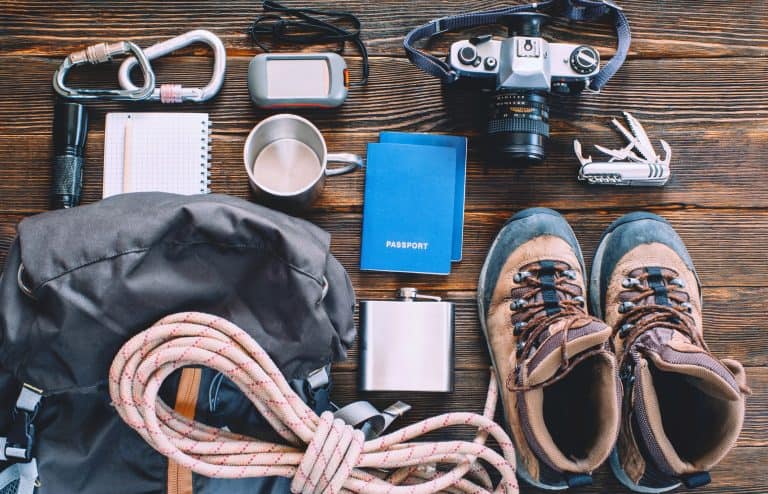
The Best Backpacking Gear Guide of 2026

Choosing the best backpacking gear can make or break your experience on the trail.
If you’re searching for the best backpacking gear, you’re likely planning an unforgettable trip into the mountains, forests, or backcountry.
Whether you’re a beginner backpacker or a seasoned hiker looking to upgrade to lighter, more efficient equipment, having the right gear can make or break your experience.
This complete guide breaks down the best backpacking gear essentials, explains how to choose the right equipment, my favorite gear, and provides a practical backpacking gear checklist you can rely on.
What is Backpacking Gear?
Backpacking gear includes all the equipment you need to safely and comfortably hike and camp overnight in the backcountry. Unlike day hiking gear, backpacking equipment must be lightweight, durable, and compact, since everything is carried on your back.
A well‑planned backpacking gear list typically includes a backpack, shelter, sleep system, clothing layers, food and cooking gear, water filtration, navigation tools, and safety essentials.

In this guide, we will cover a variety of the best backpacking gear that will elevate your backpacking experiences.
Backpacking Gear Essentials Checklist
Before diving into detailed gear reviews, here is a quick backpacking gear checklist of must‑have items:
Backpacking Gear Essentials
- Backpack (40–70L depending on trip length)
- Hiking boots or trail runners
- Tent or shelter system
- Sleeping bag (rated for expected temperatures)
- Sleeping pad
- Backpacking stove and fuel
- Cookware and utensils
- Water bottles or hydration reservoir
- Water filter or purifier
- Clothing layers (base, insulation, rain)
- Navigation tools (map, compass, GPS)
- Headlamp or flashlight
- First aid kit
- Repair kit and multitool
- Toiletries and hygiene items
This checklist covers the backpacking gear essentials needed for most trips, from overnight hikes to multi‑day adventures.
Best Backpacking Backpacks
Your backpack is the most important piece of backpacking gear. The best backpacking backpacks distribute weight comfortably and provide easy access to your gear.
What to Look For in a Backpacking Backpack
- Capacity: 50–65 liters for most multi‑day trips
- Adjustable torso length
- Padded hip belt and shoulder straps
- Ventilated back panel
- Lightweight yet durable materials
Backpack fit matters more than brand. Always try on packs with weight before committing.
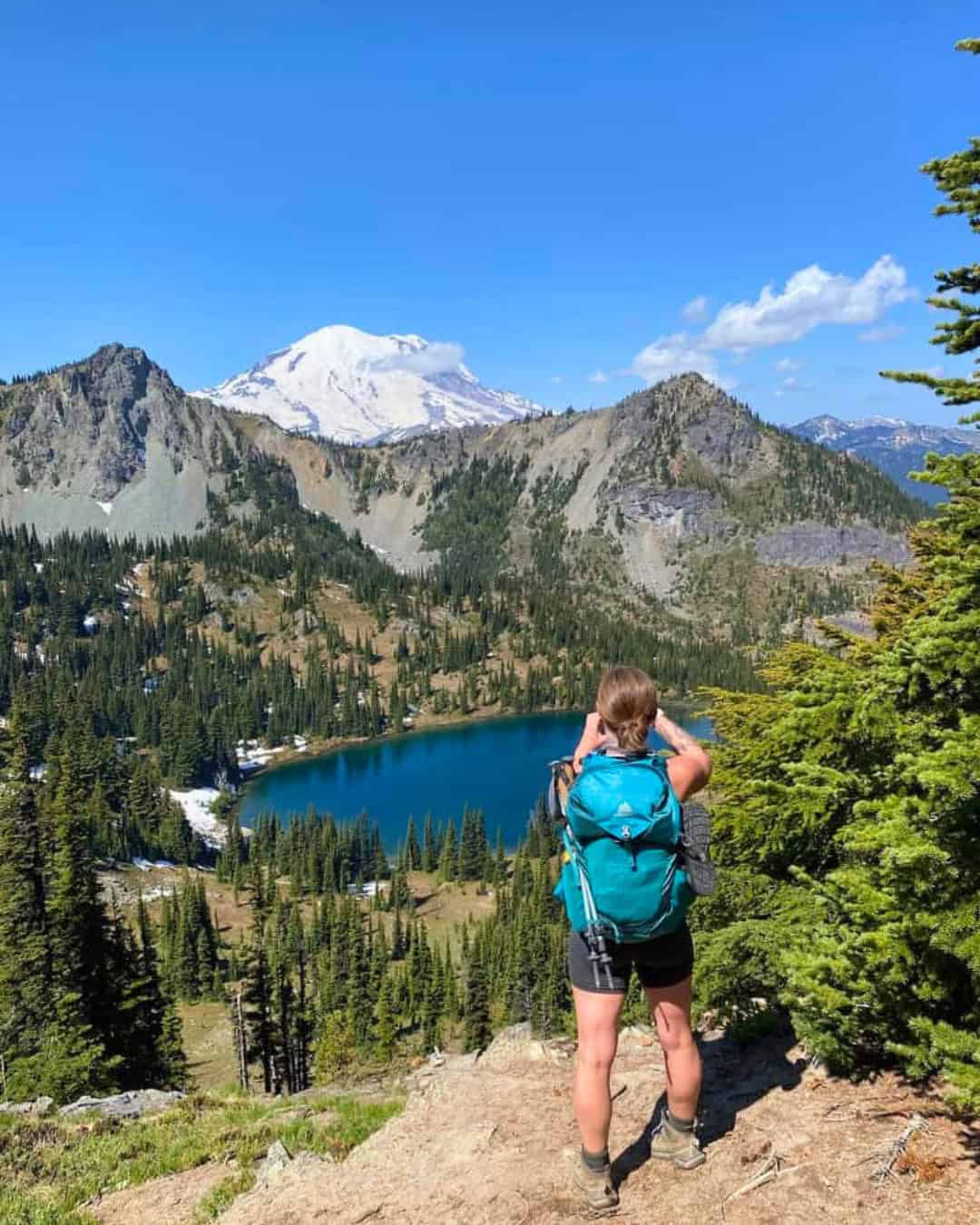
Each backpack has a number associated with the name to reference the pack’s capacity in liters. As a rule of thumb, these are the number of days that I typically go by when choosing which pack I want to use:
Day Trips: 40 liters and below
Overnight Trips: 30-50 liters
Weekend: 40-70 liters
Extended Trip: 70 liters and up
Best Backpacks for Women:
⭐ Osprey 65L Women’s Backpacking Backpack: Lightweight backpack, great for 3+ day backpacking trip, able to cinch down straps, multiple compartments, with an adjustable back panel to fit a woman’s torso perfectly for adventures.
⭐Gregory Mountain Products Women’s Amber 34 Backpack: Adjustable back panel, top zipper (great for storing smaller items you may need quickly), durable, and includes a rain cover for the pack.
Best Backpacking Footwear
Proper footwear protects your feet and reduces fatigue over long distances.
Backpacking Footwear Options:
- Hiking boots: Best for heavy loads and rough terrain
- Trail runners: Lightweight and breathable for experienced hikers
- Hiking socks: Merino wool or synthetic for moisture control
When choosing footwear, prioritize comfort, traction, and weather resistance. Break in new boots before long backpacking trips.
- KEEN Women’s Targhee 2 Mid Height: My favorite boot. Great ankle support, durable (and when I mean durable…I mean DURABLE), waterproof, and great traction.
- Merrell Women’s Siren Edge 3 Hiking Shoe: If you prefer more of a shoe-type fit, these Merrells are a great option. Great for hiking or trail running, with flexible and breathable mesh fabric.
- Darn Tough Socks: All-day comfort. I wore these every day in the Army and still wear them on every adventure and leisurely.
- Smartwool Women’s Hike Light Cushion: Lightweight, great for backpacking/hiking, and durable.
Backpacking Clothing Essentials
When it comes to backpacking clothing, layering is key. The best backpacking clothing keeps you warm, dry, and comfortable in changing conditions.
Essential Backpacking Clothing Layers
- Base layers (merino wool or synthetic)
- Insulating layers (fleece or down jacket)
- Waterproof rain jacket
- Hiking pants or shorts
- Warm hat and gloves
Avoid cotton. Lightweight, quick‑drying materials perform best for backpacking.
- Neck Gaiter: Merino Wool Neck Gaiters – Protect yourself from the sun, dirt, reflection of snow, and wind.
- Breathable Hat: Outdoor Research Breathable Hat: Easy to wash, breathable, and comfortable.
- Down Jacket: Mountain Hardwear Ghost Whisperer
- Rain: REI XeroDry Rain Jacket, REI XeroDry Rain Pant
- Mid-Layer: Squak Mountain Co. Mid-Layer Fleece
- Shirts: REI Sahara Shade Long Sleeve Shirt or REI Sahara T-Shirt
- Pants: Outdoor Voices RecTrek Zip Pant
- Shorts: Patagonia Baggie Shorts
- Base Layers: Smartwool Women’s Merino 150 Baselayer (Long Sleeve) and Smartwool Merino 250 Baselayer Bottom
- Gloves: Black Diamond Midweight
Sleep System: Tents, Sleeping Bags, & Pads
A quality sleep system is critical for recovery and comfort. The best backpacking sleep system balances warmth, weight, and packability.
Shelter:
- Lightweight backpacking tent
- Rainfly for the tent
- Bivy sack
Sleeping Bag & Pads
- Down sleeping bags for weight savings
- Synthetic bags for wet climates
- Inflatable sleeping pads for comfort and insulation
My favorite shelter options:
- Nemo Riff Down Sleeping Bag: Absolutely everything about this bag. This bag has kept me warm in single digits, packs small, and has vents in case it’s warmer outside.
- Kelty Cosmic 20 Sleeping Bag: 3-season camping, large foot box, more budget-friendly, easy to pack, and keeps you warm.
- Big Agnes Insulated Sleeping Pad: Comfortable, lightweight, adds warmth, not difficult to inflate.
- Big Agnes Sleeping Pad Pump: Blowing up a sleeping pad at altitude is exhausting after a long hike or with less oxygen.
- Sleeping Pillow:
- Sea to Summit Inflatable Pillow: Easy to inflate, holds air well, and can adjust the firmness of the pillow.
- MSR Hubba Hubba 2P Tent: 3-season, 2-person capacity (I have fit 2 people + a 70 lb dog), rainfly, nylon material.
- Nemo Hornet Ultralight: 3-season, 2-person, 2lbs, nylon fabric, ultralight tent.
Backpacker’s Tip: The best way to store a sleeping bag when not in use is by hanging it instead of keeping it in a stuff sack. This lets it breathe and keeps the material resilient.
Backpacking Cooking Gear & Water Systems
Efficient cooking gear keeps pack weight low while making meal prep easy.
Backpacking Cooking Essentials
- Lightweight backpacking stove
- Fuel canister
- Titanium or aluminum cook set
- Spork or utensil
Water Filtration
- Water bottles or hydration reservoir
- Water filter or purifier
Always research water availability on your route and carry enough capacity for dry stretches.
My favorite cooking essentials:
- Katadyn BeFree Water Filter: Collapsible, quick fill, doesn’t need extra chemicals. This is great to bring on backpacking trips where there are a lot of water sources.
- Camelbak 3L Water Reservoir: Leak-proof cap that has a lever on it to allow you to seal the tube shut when you aren’t drinking.
- Jetboil FlashCamping Stove System: Water boils extremely quickly, the compact stove is efficient, and the system is durable.
- GSI Outdoor Stainless 3 pc. Ring Cutlery: As light as titanium, comfortable, durable, and includes a spoon, fork, and knife.
- GSI Outdoors Infinity Backpacker Mug: This mug is insulated, lightweight, and has a spill-resistant lid.
Navigation, Safety, & Emergency Gear
Even popular trails require proper navigation and safety planning.
Must-Have Safety Gear:
- Garmin inReach Mini 2: Compact, ability to share location with loved ones, 14-day battery life.
- Ultralight First Aid Kit
- Whistle/signaling device (most backpacks have a built-in whistle on the chest strap)
- Leatherman Multi-Tool: One of the first things I always pack, this tool has saved me from fixing gear to opening food.
- Bear Spray: If needed, one can protect oneself from any threats.
- Emergency Thermal Blanket: An Important addition to a safety kit in case of emergency to help stay warm.
- Stormproof Match Kit + Waterproof Case: Easy to light, durable, replacement striker included
- Glow in the Dark Safety Tape: Help mitigate losing items in the dark and having to use a phone light to search.
- Petzl Actik Core Headlamp: 600 lumen light & red light (bring extra batteries)
- INIU Portable Charger: Charges phones fast, USB-C and USB-A charging capabilities, and even comes with an emergency flashlight built in.
Investing in a durable headlamp and flashlight will be extremely helpful if you are hiking/backpacking during low light or overnight. I always bring a couple of extra batteries just in case.

Ultralight Backpacking Gear
Ultralight backpacking focuses on reducing pack weight without sacrificing safety.
Ultralight Gear Principles
- Multi‑use items
- Lightweight materials
- Minimal but sufficient gear
Ultralight backpacking gear is ideal for experienced hikers seeking longer distances and increased comfort through lighter loads.
Best Budget Backpacking Gear (Under $1000)
Backpacking doesn’t have to be expensive. A reliable gear setup can be built on a budget by prioritizing essentials and upgrading over time.
Budget Backpacking Tips
- Buy last year’s models
- Rent or borrow big items initially
- Test all gear before your trip
- Shop REI used or outlet sections
- Upgrade items gradually
Other Backpacking Items:
Below are some of the items that I bring on my backpacking trips, but might not be essential for your trip:
- Crampons Ice Cleats Traction Snow Grips: For backpacking in snowy conditions
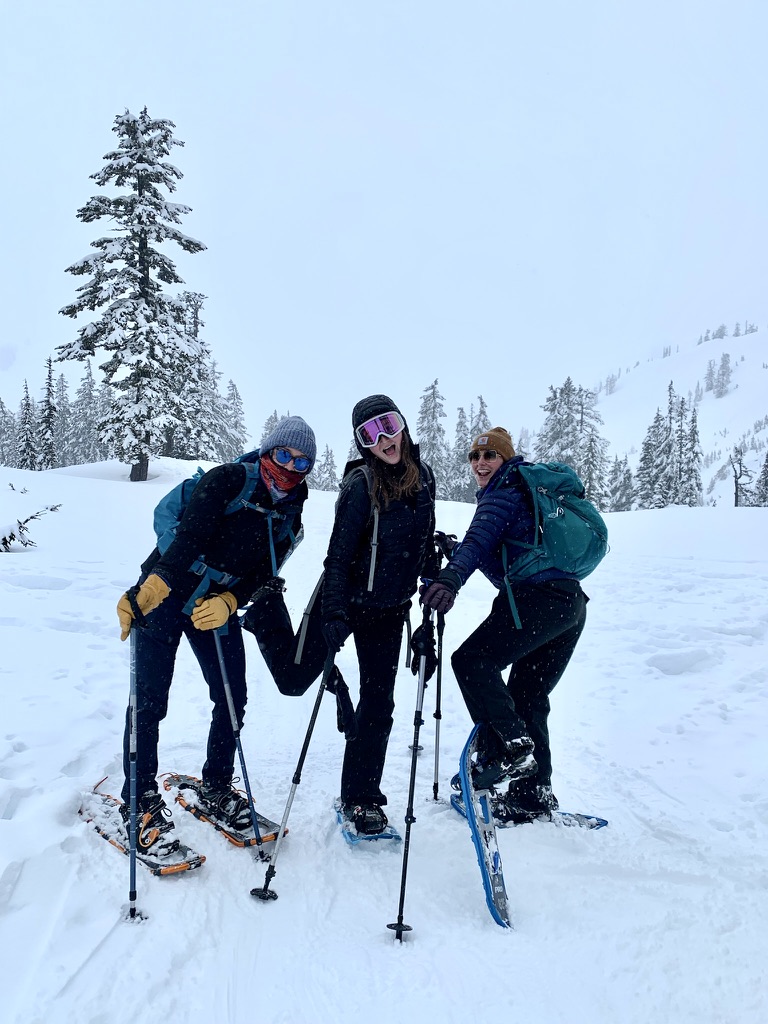
- Alptreck Pro Snowshoe Kit: Great for backpacking or hiking to a hut in the winter for an overnight stay.
- Chaco Women’s Z1 Classic Sandal: Helpful for water crossings or to let your feet breathe at night at camp.
- Garmin Fenix 6s Pro Solar: This is the watch I have and wear every day and for outdoor adventures. The solar ring allows the watch to have an extended battery life. The features I like about this watch are the preloaded TOPO maps, GPS, compass, and more. The Fenix is a bit on the pricy side, but in my opinion, well worth it.
- Black Diamond Trail Trek Poles: Provide stability, reduce strain on your knees, and improve balance, especially on challenging terrain.
- Kula Cloth: Absorbent, fun designs, easy to clean (let’s normalize feminine hygiene in the outdoors folks).
- Lightweight Folding Chair: This chair has gone on many countries and trips with me. Takes about 20 seconds or less to set up.
- North Face Slipper Shoes: I have multiple pairs of these and am obsessed. These slipper shoes are extremely lightweight and completely worth bringing. They are one of my favorite purchases ever due to the warmth, packability, and traction while I am relaxing at camp.
- Kindle Paperwhite: Up to 10 weeks of battery life and waterproof. I bring my Kindle everywhere and always enjoy reading at night before I go to sleep or in the morning while I am drinking my delicious Black Rifle coffee.




What is Ultralight Backpacking Gear?
“Ultralight” backpacking gear refers to equipment that is designed to be extremely lightweight without compromising functionality or durability.
The goal of ultralight gear is to reduce the overall weight of your pack, which results in less fatigue and the ability to cover more ground.
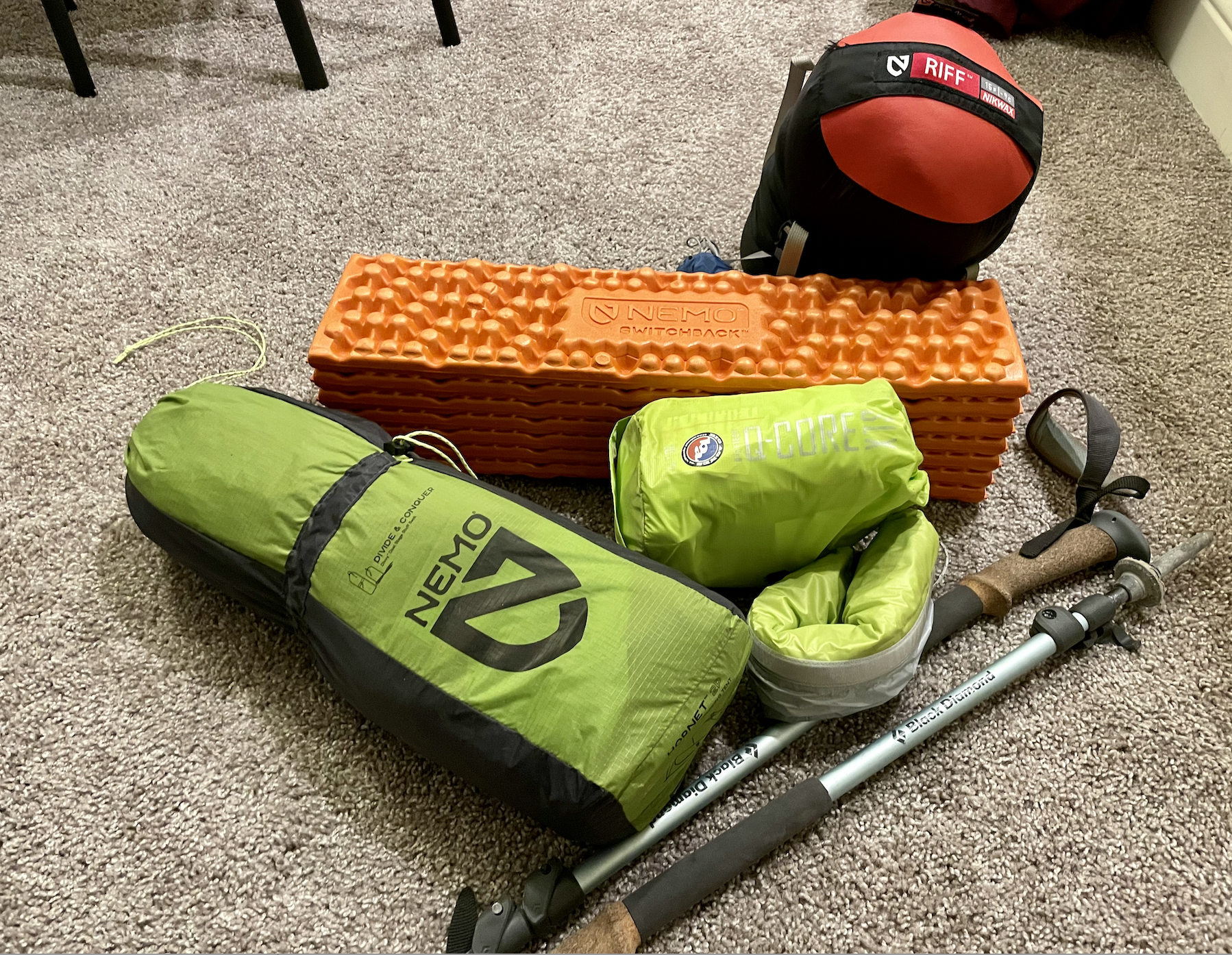
The best backpacking gear that is listed throughout this post is, for the most part, ultralight gear. This type of equipment is particularly important for long-distance trips or those who would like a lighter-weight pack.


Frequently Asked Questions:
What is the most important backpacking gear?
Your backpack, footwear, shelter, and sleep system are the most critical items.
How much should a backpacking pack weigh?
A fully loaded pack should ideally weigh no more than 20–30% of your body weight.
Is ultralight backpacking worth it?
Ultralight gear can improve comfort and mileage, but it often comes at a higher cost.
Conclusion: Best Backpacking Gear
Choosing the best backpacking gear is about balancing comfort, safety, and weight. With the right preparation and equipment, backpacking becomes one of the most rewarding ways to explore the outdoors.
Save this backpacking gear list, use it to plan your next adventure, and continue refining your setup as you gain experience on the trail.

Happy Trails,
Mindful PNW Travels